


Table of Contents
- Material Comparison for Pantry Organization Systems
- Best Pantry Storage Containers by Material
- Pantry Shelf Materials: Durability and Food Safety
- How to Organize a Pantry with the Right Materials
- Long-Term Durability and Maintenance
- Sustainability and Value Over Time
- Frequently Asked Questions
Last Updated: October 16, 2026
Material Comparison for Pantry Organization Systems
Choosing the right materials determines whether your pantry organization system lasts five years or falls apart in eighteen months. Durability and how each option handles moisture, temperature swings, and daily wear make the difference.
At SinkElle, we design pantry organization solutions around this reality. The best pantry organization materials balance durability, food safety, aesthetics, and practicality. Glass, plastic, bamboo, and metal each have distinct strengths and limitations.
Glass vs. Plastic vs. Bamboo vs. Metal
Glass containers offer superior visibility and long-term durability. You see exactly what's inside without opening the lid, which speeds up meal planning and reduces food waste. Glass doesn't absorb odors or stains and resists temperature fluctuations better than plastic.
Food-grade plastic is lightweight, affordable, stackable, and forgiving if dropped. However, it degrades when exposed to sunlight or heat, can absorb odors from strong spices, and may leach compounds if damaged.
Bamboo shelving and organizers appeal to design-conscious homeowners, bringing warmth and elegance that fits minimalist Scandinavian aesthetics. It's renewable, lightweight, and surprisingly durable.
Metal racks and tiered organizers maximize vertical space and provide industrial strength. Stainless steel resists corrosion and moisture damage, and metal works particularly well for under-shelf baskets, turntables, and accessibility solutions. Bare metal can rust in very humid kitchens unless it's stainless steel.
| Material | Best For | Durability | Cost | Maintenance | Food Safety |
|---|---|---|---|---|---|
| Glass | Long-term storage, visibility | 10+ years | Higher | Minimal | Excellent |
| Food-Grade Plastic | Stackable, lightweight storage | 3-7 years | Lower | Moderate | Good |
| Bamboo | Shelving, aesthetic appeal | 5-8 years | Moderate | Regular | Fair (needs sealing) |
| Metal | Accessibility, strength | 8+ years | Moderate | Minimal | Good |
Best Pantry Storage Containers by Material
The container you choose shapes how long your dry goods stay fresh and how efficiently you use space.
Food-Grade Plastic and Airtight Seals
Food-grade plastic containers with airtight silicone seals are the workhorse of pantry organization. They stack efficiently, maximize vertical space, and keep dry goods protected from moisture and dust, locking in freshness for rice, pasta, cereal, flour, sugar, coffee, beans, and baking supplies.
Premium food-grade plastic (PET + PP blends) lasts significantly longer than thin, brittle alternatives. Look for crystal-clear designs so you instantly see contents and know when to refill, plus stackable lids that save space.
The Sinkelle FreshSeal Pantry Storage Canister ($39.99) exemplifies this approach. Available in five sizes (460ml through 1800ml), these containers use food-grade materials with airtight silicone rings designed specifically for moisture-proof protection. They're stackable, hand-wash recommended, and work for everything from rice and flour to coffee beans and pet treats.

Organize plastic containers by category: one set for baking supplies, another for cereals, another for snacks. Meal prep gets faster when you know exactly where to find what you need.
Glass Containers for Long-Term Storage
Glass containers are the premium choice for long-term food storage. They don't absorb odors, resist staining, and maintain clarity indefinitely, so you can monitor supply levels without opening them.
While plastic becomes cloudy or brittle after a few years, glass maintains its appearance for a decade or more, making it cost-effective despite the higher upfront investment.
Glass works best for long-term, infrequently accessed items: heirloom grains, specialty flours, or bulk purchases. It's ideal where you want visual appeal and don't mind the weight, but less practical for frequently moved items or rental apartments where lightweight solutions matter.
For multi-material systems, put glass containers on lower shelves (where weight is less of an issue) and plastic on upper shelves, combining glass's aesthetic and durability with lightweight accessibility.
Pantry Shelf Materials: Durability and Food Safety
Shelf materials deserve as much attention as containers: they determine weight capacity, humidity response, and long-term appearance.
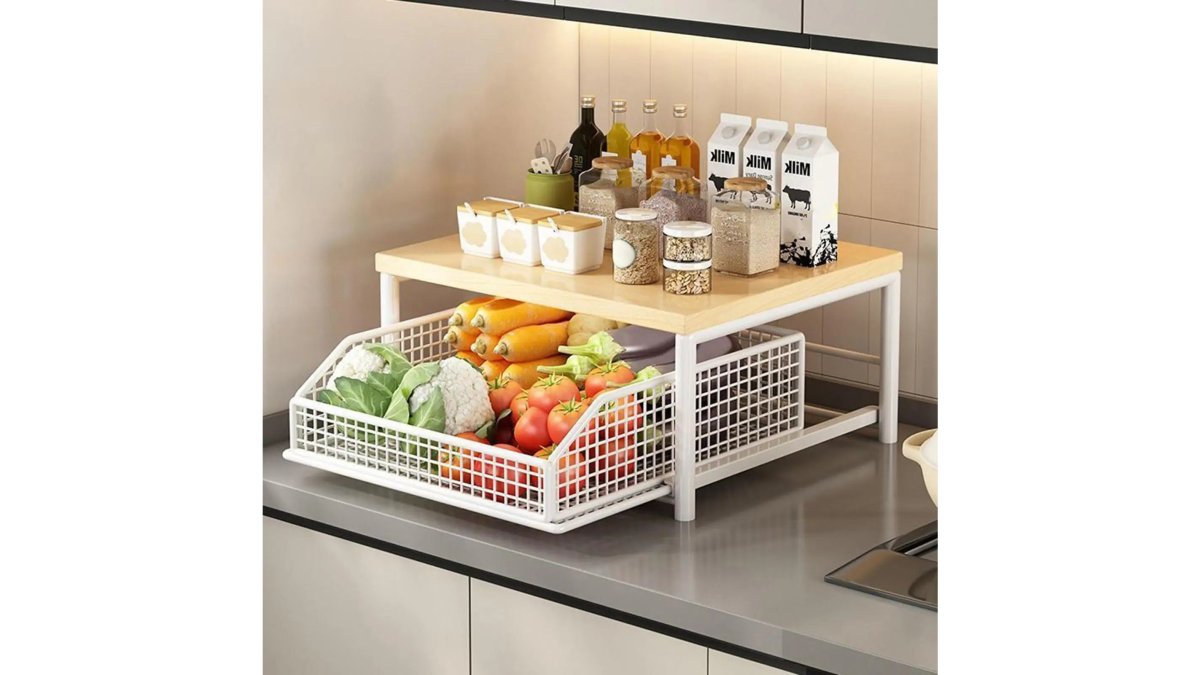
Bamboo Shelving: Eco-Friendly and Attractive
Bamboo shelving brings natural warmth and Scandinavian elegance to any pantry. It's renewable, lightweight enough to install without heavy tools, and surprisingly strong for its weight, working beautifully as tiered organizers on countertops, inside cabinets, or on pantry shelves.

The Sinkelle 2-Tier Pantry Storage Rack ($71.99) uses premium eco-friendly bamboo with adjustable sizing. This design maximizes vertical space while creating a clean, organized appearance. It's ideal for spices, jars, and kitchen essentials that benefit from improved visibility and accessibility.
Bamboo requires regular maintenance in humid environments and can warp if exposed to constant moisture or temperature swings.
Bamboo also isn't suitable for direct food contact without protective coating, so use it as a display shelf for containers and jars rather than loose dry goods. That limitation is actually an advantage: it encourages storing everything in airtight containers, improving organization and food safety.
The Sinkelle SpinSpice Bamboo Rack ($29.99) demonstrates this principle perfectly. Its rotating, multi-layer design keeps seasonings visible and accessible while using vertical space efficiently. Bamboo's natural appearance makes the spice station a design feature rather than clutter.
Metal Racks: Strength and Accessibility
Metal racks provide industrial-strength storage that handles heavy loads and moisture better than most materials. Stainless steel resists corrosion entirely, and powder-coated standard metal holds up well in typical kitchens.
Metal excels for under-shelf baskets, tiered organizers, and turntables that require frequent access. The Sinkelle SpiceRise 3-Tier Organizer ($58.99) uses durable metal construction with a black finish that complements modern kitchens.
Metal racks work particularly well for accessibility. A turntable or lazy Susan on a metal frame lets you rotate items forward for easy reach, essential for deep cabinets or under-sink areas where items get lost.
Metal conducts temperature changes rapidly, which can cause condensation in kitchens with extreme temperature swings, though this rarely matters in most homes. Maintenance is minimal: a quick wipe with a damp cloth prevents dust buildup.
How to Organize a Pantry with the Right Materials
Successful pantry organization combines material selection with strategic placement.
Matching Materials to Storage Needs
Start by categorizing what you store. Dry goods like rice, flour, and pasta benefit from airtight plastic or glass containers. Spices work well in compact bamboo or metal organizers, while snacks, pet treats, and frequently accessed items belong at eye level in clear containers.
Sinkelle FreshSeal Pantry Storage Canister →
Consider humidity: dry kitchens work fine with bamboo shelving, while humid kitchens should prioritize metal or glass. Glass also handles seasonal temperature swings better than plastic.
Weight distribution affects material choice. Heavy items like canned goods belong on lower shelves with sturdy metal or solid wood support; lighter items like cereal boxes can sit up top in plastic containers. This prevents shelf sagging and makes reaching items safer.
Space constraints shape your strategy: small apartments benefit from stackable plastic containers and vertical metal racks, while larger kitchens can add bamboo shelving for aesthetic appeal without sacrificing functionality.
Installation and Accessibility
The best materials mean nothing if they're difficult to install or access. SinkElle designs emphasize tool-free installation, which matters for renters and homeowners who want flexibility.
Metal racks typically require no tools: they slide under sinks, sit on countertops, or nest inside cabinets. Bamboo tiered racks stack without assembly, and plastic containers simply stack and arrange. You can reorganize whenever your needs change.
Accessibility drives daily usage. Rotating organizers like the Sinkelle SpinSpice Bamboo Rack ($29.99) solve the hard-to-reach problem: turn the rack to bring items forward instead of reaching to the back.

Under-sink storage is wasted space in many kitchens. The Sinkelle 2 SlideNest Organizer ($55.99) transforms it with pull-out drawers that make items accessible without reaching, working around garbage disposals and plumbing angles that typically make this area unusable.
Long-Term Durability and Maintenance
Material durability determines whether your pantry organization system lasts two years or ten. Understanding maintenance requirements helps you choose materials that fit your lifestyle.
Glass containers maintain their appearance indefinitely with minimal care: hand wash and dry them, and they stay crystal-clear for decades. Plastic requires more attention: avoid extreme heat, store away from direct sunlight, and replace when cloudy or brittle.
Bamboo shelving needs occasional inspection in humid environments. Wipe it with a dry cloth regularly and check for warping or soft spots. Properly sealed and kept dry, bamboo lasts five to eight years; in very humid kitchens, expect three to five.
Metal racks require virtually no maintenance: wipe occasionally with a damp cloth and dry thoroughly. Stainless steel never rusts, and powder-coated standard metal may show wear after eight to ten years but remains functional, making metal an excellent long-term investment.
Stackable containers simplify maintenance: wash the entire set in one effort rather than hunting through cabinets. This consistency encourages regular cleaning and prevents forgotten items from accumulating dust or moisture.
Sustainability and Value Over Time
Choosing durable materials upfront reduces waste and saves money long-term.
Bamboo organizers represent renewable material choices: bamboo grows rapidly and requires minimal processing compared to metal or plastic.
Food-grade plastic containers are recyclable, but most end up in landfills.
Metal racks last so long that replacement rarely happens: a stainless steel organizer bought today might outlast your kitchen renovation. Less frequent replacement means less manufacturing waste.
The real value calculation combines durability, maintenance, and replacement frequency.
Selecting the best materials for kitchen pantry organization systems means understanding what each excels at and where it falls short. Glass prioritizes visibility and longevity.
Most effective pantries combine these materials strategically.
The Sinkelle FreshSeal Pantry Storage Canister ($39.99) handles your dry goods with airtight protection. The Sinkelle SpiceRise 3-Tier Organizer ($58.99) brings durable metal strength to countertops and cabinets.
Shop Now at SinkElle and build a pantry organization system designed to last.
Frequently Asked Questions
What material is best for pantry storage containers?
The best pantry storage containers depend on your needs. Food-grade plastic with airtight seals, like the Sinkelle FreshSeal Pantry Storage Canister ($39.99), protects dry goods from moisture and dust while remaining stackable and space-efficient. Glass containers offer excellent visibility and durability for long-term storage. Both materials keep cereal, flour, sugar, rice, pasta, and snacks fresh. Choose plastic for stackability and affordability, glass for transparency and chemical resistance.
Is plastic or glass better for pantry shelf storage?
Glass is better for long-term shelf storage because it resists staining, odor absorption, and doesn't degrade over time. Plastic is lighter, more affordable, and stackable, making it ideal for frequently accessed items. For best pantry storage containers, consider combining both: glass for baking supplies and flours you store long-term, plastic for items you refill often. Food-grade materials in either option ensure safety for dry goods and nonperishable foods.
What type of wood or material is best for pantry shelves?
Bamboo shelving offers the best balance of durability, sustainability, and aesthetics. The Sinkelle 2-Tier Pantry Storage Rack ($71.99) uses premium bamboo for eco-friendly storage that handles spices, jars, and kitchen essentials. Metal racks, like the Sinkelle SpiceRise 3-Tier Organizer ($58.99), provide superior strength and accessibility. Bamboo suits minimalist designs and resists warping; metal works best in compact kitchens where you need tiered visibility and easy access to frequently used items.
How do I organize a pantry to maximize space and maintain it?
Start by grouping items by category: cereals, flours, sugars, rice, pasta, snacks, and baking supplies. Use airtight containers to protect dry goods and improve visibility. Install tiered shelves or rotating organizers to maximize vertical space and access. Label each container clearly. The Sinkelle SpinSpice Bamboo Rack ($29.99) rotates for easy access to seasonings. Regularly check expiration dates and rotate stock. Choose stackable, durable containers in food-grade materials to maintain organization long-term.
What materials should I avoid for pantry storage?
Avoid non-food-grade plastics, which can leach chemicals into dry goods over time. Skip flimsy metal racks that bend under weight or corrode with humidity. Avoid untreated wood shelves that absorb moisture and develop mold. Don't use containers without airtight seals if storing items long-term, as they expose food to dust and humidity. Steer clear of materials that aren't moisture-proof, especially in kitchens with high humidity. Food-grade PET plastic, glass, bamboo, and stainless steel are reliable choices.